Nearly 600 senior NHS executives across Britain received base salaries higher than that of the Prime Minister during the 2024–25 financial year, reigniting calls for Labour to rein in top salaries.
Research by the TaxPayers’ Alliance found 574 executives at NHS trusts earned basic salaries exceeding the Prime Minister’s entitlement of £182,000 – a 12 per cent increase compared with the previous year.
The report also found that 1,758 senior managers received total remuneration packages worth more than £100,000, while 292 executives were paid at least £300,000 – a rise of 134 per cent year on year.
The findings come as the NHS continues to face pressure over waiting times, with more than 6.16 million patients awaiting treatment across England – equivalent to 7.28 million separate cases.
Around 2.5 million patients have waited longer than the NHS target of 18 weeks, while some 105,000 have been waiting for more than a year.
The report has prompted renewed scrutiny of Government plans to link executive pay more closely to NHS performance.
Those measures, first announced in November 2024, allow leaders of high-performing trusts to receive bonuses of up to 10 per cent, while executives at underperforming trusts risk reduced pay increases.
The policy also introduced temporary pay enhancements of up to 15 per cent in some struggling areas, in a bid to help recruit experienced leaders.
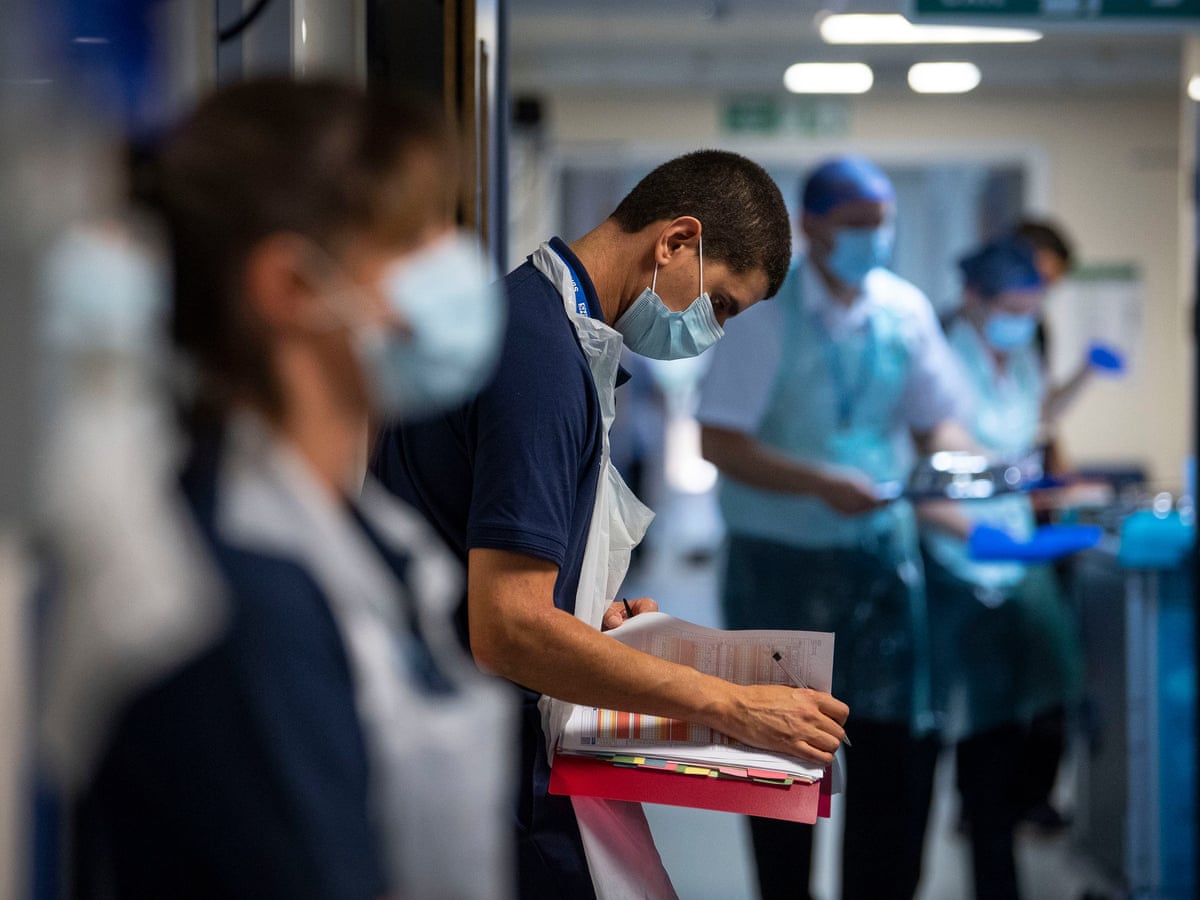
Shadow Health Secretary Stuart Andrew said executive pay should reflect results, arguing that taxpayers expect improved patient care alongside higher salaries.
Several trusts highlighted in the report were identified as having poor performance against key NHS targets, despite paying senior executives substantial remuneration packages.
Ged Murphy, chief executive of East Cheshire NHS Trust, received total remuneration of between £375,000 and £380,000 – more than double the previous year’s package.
The trust was among the poorest performers for A&E waiting times, with only around half of patients treated within the NHS four-hour target – significantly below the national average of approximately 75 per cent.
At University Hospitals Sussex NHS Foundation Trust, chief executive Dr George Findlay received a package worth between £490,000 and £495,000, including a performance bonus of up to £35,000.
The report also highlighted remuneration at NHS Lanarkshire, where medical director Dr Chris Deighan received between £460,000 and £465,000, despite the health board consistently recording some of Scotland’s longest A&E waiting times.
Anne Strickland, a researcher at the TaxPayers’ Alliance, said ministers should ensure that executive rewards are tied to measurable improvements in NHS performance.
Responding to the report, a Department of Health and Social Care spokesman said competitive salaries were necessary to attract and retain experienced leaders capable of improving NHS services.
They added that the Government had made clear that future pay progression would depend on performance, with senior leaders expected to reduce waiting times and improve patient outcomes in order to qualify for rewards.