
There are television programmes we watch for entertainment — and then there are programmes that quietly become part of our own lives.
For more than six decades, millions of viewers have watched a group of ordinary seven-year-old children grow up before their eyes.
They arrived on screen in 1964 with childhood dreams, innocent predictions about the future and absolutely no idea that cameras would continue returning to document their lives every seven years.
They became teenagers.
Then young adults.
They found jobs, fell in love, married, became parents, experienced disappointment, changed direction, grew older and eventually became grandparents.
Now, at the age of 70, their extraordinary shared journey is preparing to reach what has been described as its final chapter.
70 Up is coming — and for anyone who has followed these lives across the decades, this farewell promises to be incredibly emotional.

But the reunion will also carry an unmistakable sadness.
Two members of the original group will not be there to experience this remarkable milestone alongside the others.
Lynn Johnson and Nicholas “Nick” Hitchon have both passed away since their childhood appearances made them part of one of television’s most extraordinary social experiments.
Their absence will inevitably be felt as the surviving participants gather one final time to look back at lives that millions of strangers somehow came to feel they knew.
And perhaps that is what makes 70 Up so powerful.
This is not simply the ending of a television series.
It is the closing of a time capsule that has been open for more than 60 years.
Fourteen children — and one extraordinary question about life
When the original programme was filmed in 1964, the idea seemed relatively simple.
Fourteen seven-year-old children from very different social and economic backgrounds were brought together and asked about their lives, families, ambitions and expectations for the future.
Some spoke confidently about careers.
Others dreamed about adventure.
One wanted to become a jockey.
Another imagined becoming an astronaut.
Some already appeared to understand the social expectations surrounding them, while others simply answered with the wonderfully unfiltered honesty that only children can provide.
Behind those innocent conversations was a much bigger question.
How much of a person’s future is determined by the circumstances into which they are born?
The project drew inspiration from the famous idea:
“Give me the child until he is seven and I will give you the man.”
Initially, there was no expectation that audiences would still be talking about these children more than six decades later.
The documentary was intended to capture a generation that would grow into adulthood around the turn of the millennium.
But something unexpected happened.
Viewers became fascinated by them.
People wanted to know what happened next.
Did their childhood dreams come true?
Would social class determine their futures?
Would the confident children remain confident?
Would the shy ones find their voices?
Would life unfold the way anyone expected?
Seven years later, the cameras returned.
And then they returned again.
Every seven years.
What began as a television experiment slowly became something much more profound: an extraordinary record of human life unfolding in real time.
We didn’t just watch them grow up — we grew older with them
That may be the most remarkable thing about the Up series.
There were no scripts telling these people how their lives should unfold.
There was no guarantee of a happy ending.
Life simply happened.
Viewers watched childhood certainty collide with adult reality.
Careers changed.
Relationships began and sometimes ended.
Children were born.
Families expanded.
Dreams evolved.
Financial pressures appeared.
Health became increasingly important.
People who once confidently predicted exactly what their futures would look like sometimes discovered that life had entirely different plans.
And every seven years, the cameras returned to ask essentially the same question:
Where are you now?
For longtime viewers, those reunions became almost like catching up with distant relatives.
You remembered the seven-year-old version of someone while looking at the adult they had become.
Old footage would suddenly appear, placing childhood dreams beside present-day reality.
Sometimes the contrast was funny.
Sometimes inspiring.
Sometimes painfully moving.
But it was always deeply human.
And now comes perhaps the most powerful comparison of all.
Those seven-year-old children are turning 70.
One final reunion
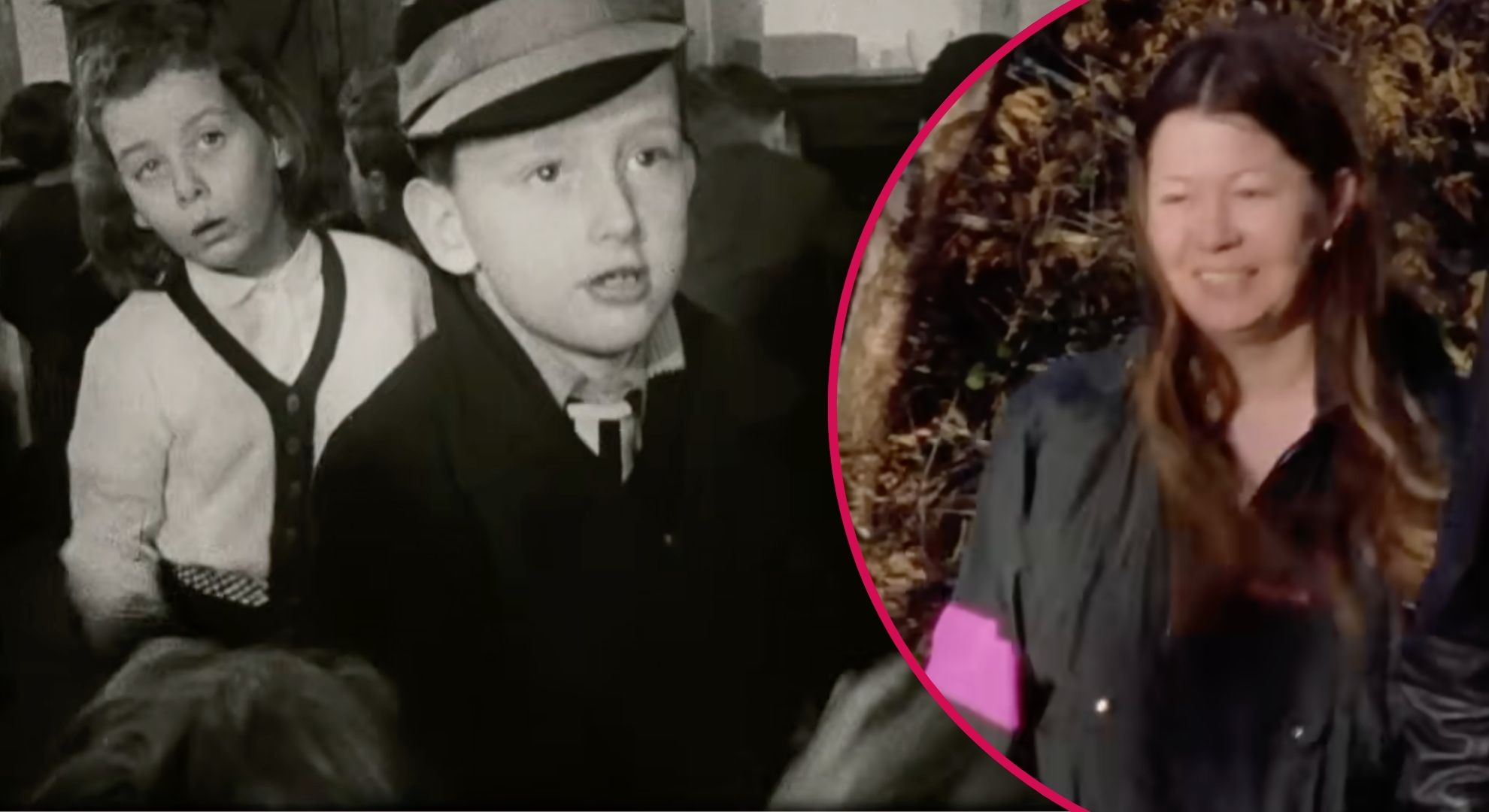
The final instalment will revisit many of the familiar faces whose stories have unfolded across generations.
Bruce, remembered from childhood as a public school pupil, will return to reflect on the extraordinary path his life has taken.
Symon, whose story included his experiences growing up in care before later becoming a foster carer himself, will once again share where life has taken him.
Jackie returns after decades in which viewers have watched her navigate family, relationships, work and major changes in her personal life.
Paul, once remembered as an especially shy child, will now speak from an entirely different stage of life — as a grandparent.
Tony, whose cheeky personality made him one of the programme’s most instantly memorable contributors, will also be part of the farewell.
And Neil, whose life became one of the series’ most complex and unforgettable journeys, will once again reflect on the enormous distance between the child who dreamed of becoming an astronaut and the man he eventually became.
Seeing these people together at 70 carries a weight that would have been impossible to imagine when they first appeared on camera.
Because viewers know their younger selves.
We have seen their hopes before reality had a chance to reshape them.
That makes every wrinkle, every laugh and every reflection feel like part of a much larger story.
A face missing from the reunion: remembering Lynn
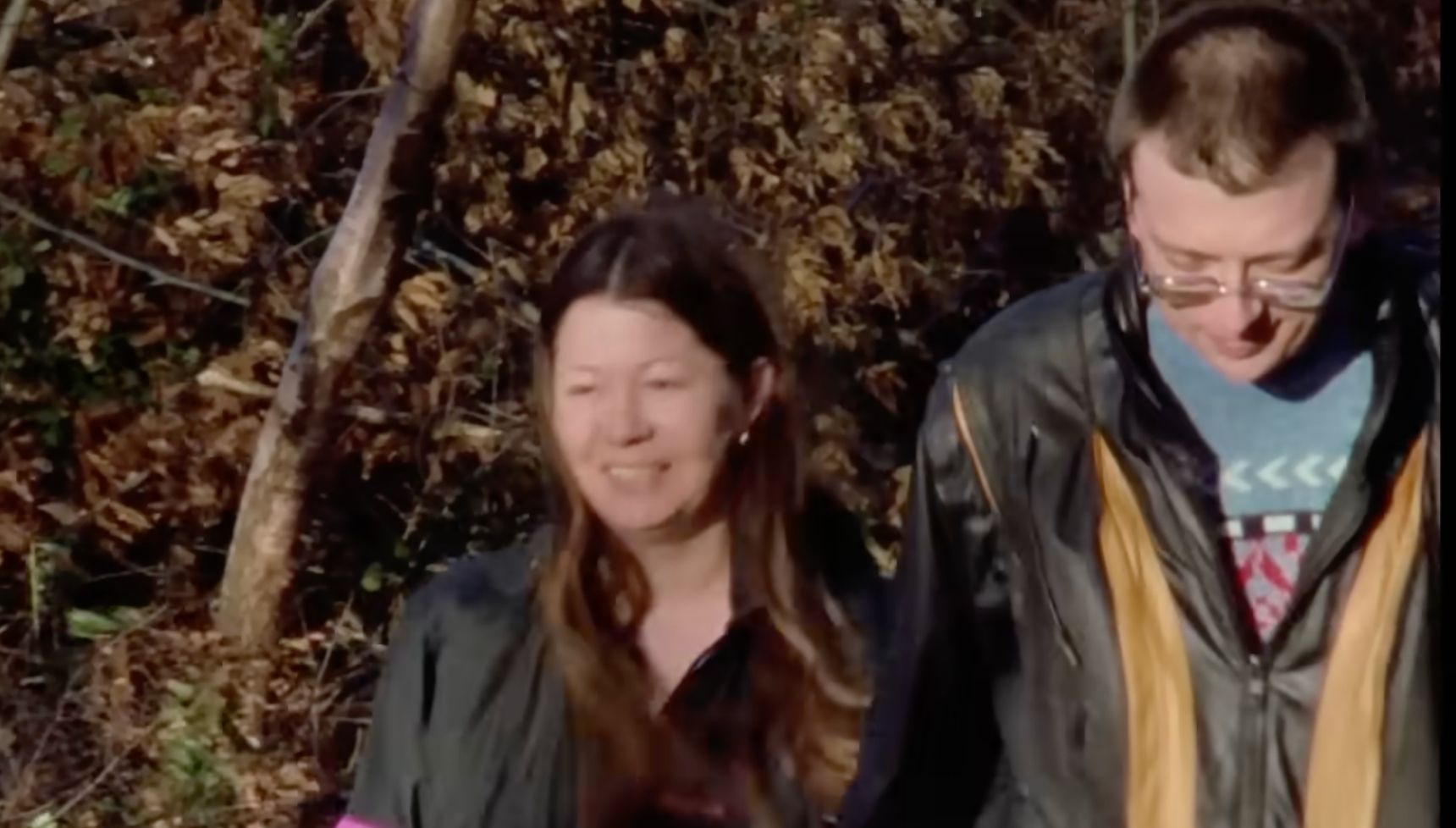
The celebration, however, cannot happen without acknowledging those who are no longer able to join it.
Lynn Johnson was one of the original children introduced to viewers in 1964.
Across the decades, audiences watched her grow from a young girl into a woman whose life became deeply connected with family and her work involving children’s library services.
Lynn died in 2013 following a short illness.
Her absence was already deeply felt in 63 Up, when her husband and daughters appeared and reflected on the woman behind the familiar television story.
For viewers who had followed her since childhood, it was an extraordinary reminder of what this project had become.
These were no longer simply “participants” in a documentary.
Audiences had watched them for decades.
They remembered their childhood faces.
They remembered their voices.
They remembered their dreams.
70 Up will once again honour Lynn’s place within that shared history.
She may not be physically present at the final gathering, but her story remains permanently woven into it.
The loss of Nick makes this final chapter even more poignant
Another absence will make 70 Up particularly emotional.
Nicholas “Nick” Hitchon, remembered as the farmer’s son from Yorkshire who went on to build an extraordinary academic life, died in 2023.
Nick’s journey was one of the clearest examples of why the series became so compelling.
The boy viewers first encountered in rural England eventually became a nuclear physicist and built a life in the United States.
His story crossed countries, careers and decades.
But during 63 Up, Nick shared something deeply personal.
He revealed that he had been diagnosed with throat cancer and spoke openly about his prognosis.
It was one of those moments when the programme’s central idea — documenting life as it truly happens — suddenly became painfully real.
Nick ultimately lived beyond the life expectancy he had discussed.
And now, despite his death before the final reunion, viewers will have another opportunity to hear from him.
70 Up is set to include a poignant interview with Nick, allowing his voice and reflections to remain part of the concluding chapter.
For longtime viewers, those scenes are likely to be among the hardest to watch.
Because once again, the screen will briefly collapse time.
We will remember the farmer’s son.
The scientist.
The husband.
The older man reflecting on mortality.
All of them were Nick.
All of them existed within the same extraordinary life.
A surprising return after nearly half a century
There is also an unexpected development that longtime followers may find fascinating.
Charles Furneaux is returning.
Charles appeared in the earlier instalments before stepping away from the project following 21 Up in 1977.
For decades, his absence became part of the series’ history.
Not every participant had an easy relationship with the extraordinary experience of having their life revisited and analysed by millions of strangers every seven years.
Some questioned the way their stories were edited.
Others became uncomfortable with the public attention.
And participation was always a deeply personal decision.
Now, after nearly half a century away from the project, Charles will be heard from again as the story reaches its conclusion.
His return creates an extraordinary full-circle moment.
A man who walked away from the cameras as a young adult is returning as the group reaches 70.
Few television projects could ever produce a reunion carrying that kind of historical weight.
Sue, Peter, Andrew, Suzy and more — lives that went in completely different directions
The final chapter will also revisit several other participants whose adult lives unfolded in ways that could never have been fully predicted from those first childhood interviews.
Sue will reflect on her marriage to Glenn and her decades-long working life at Queen Mary University of London.
Peter will return with more news about his continuing passion for music.
John, who as a child spoke about ambitions involving power and influence, will again reflect on the person he ultimately became.
Andrew — remembered as the preparatory school boy who famously read the Financial Times at an age when most children were thinking about toys and playgrounds — also returns.
Then there is Suzy.
As a child, she was remembered as the young ballerina who strongly disliked her private school experience.
Her life, like those of the others, would prove far more complicated and unpredictable than any seven-year-old could possibly have imagined.
That is precisely why these stories remain fascinating.
There was never one single answer to the original experiment.
Privilege did not automatically guarantee happiness.
Disadvantage did not make a person’s future inevitable.
Childhood personality did not always predict adulthood.
Life interfered.
People changed.
Circumstances changed.
And sometimes, the people themselves surprised everyone.
The photograph that says more than words ever could
A newly released reunion image may be one of the most quietly powerful images in the programme’s history.
The surviving participants are seen gathered together, raising glasses and sharing a moment of celebration.
At first glance, it looks joyful.
Old friends reunited.
Smiles.
A toast.
A milestone birthday.
But anyone familiar with the series will see something else.
They will remember the black-and-white images of these same people as children.
Seven years old.
Small faces.
Big dreams.
Entire lives waiting ahead of them.
And now they are 70.
More than six decades separate those images.
That gap contains almost everything.
Love.
Loss.
Marriage.
Divorce.
Children.
Grandchildren.
Success.
Disappointment.
Illness.
Friendship.
Ageing.
And countless ordinary days that no television camera could ever capture.
Perhaps that is why the image feels so powerful.
It isn’t simply a reunion photograph.
It is a photograph of time.
Viewers have waited years for this moment
News of the final chapter has already stirred enormous emotion among people who have followed the series for decades.
Some viewers have described the project as one of the greatest documented records of ordinary lives ever created.
Others immediately recalled tiny moments from the earliest episodes — childhood comments and dreams that somehow remained lodged in their memories for half a century.
That may sound surprising until you understand the unusual relationship audiences developed with these participants.
For some people, they first watched the children when they themselves were young.
Then they returned for 14 Up.
21 Up.
28 Up.
35 Up.
42 Up.
49 Up.
56 Up.
63 Up.
Each instalment became a marker not only in the participants’ lives, but in the viewers’ lives too.
Where were you when you watched 28 Up?
What had changed in your own life by 42 Up?
Who was still beside you when 56 Up arrived?
That is why 70 Up may feel strangely personal even to people who have never met a single member of the group.
The series was always about 14 lives.
But somewhere along the way, it quietly became about ours as well.
The most important question may no longer be the one asked in 1964
The original experiment was fascinated by whether childhood background and social class could predict adult destiny.
More than 60 years later, the question feels different.
Perhaps the final chapter is no longer really asking:
Can we predict the adult by looking at the child?
Perhaps it is asking something much simpler.
What does it mean to live a life?
When we look back at seven-year-old versions of ourselves, how much remains?
Did we become who we expected?
Which dreams survived?
Which disappeared?
Which unexpected moments changed everything?
And if we could speak to our childhood selves, what would we tell them?
That is the extraordinary emotional power waiting inside 70 Up.
The participants are not celebrities performing carefully constructed versions of themselves.
They are people who agreed, again and again, to open a window into their lives.
Sometimes they were happy with what audiences saw.
Sometimes they were not.
But together, their stories created something television may never be able to reproduce in quite the same way again.
One last goodbye
70 Up is expected to arrive this autumn, with the exact broadcast date still to be confirmed.
When it does, longtime viewers may want those tissues nearby.
There will undoubtedly be laughter as familiar childhood clips return.
There will be surprises as participants reveal what has changed since we last saw them.
There will be the remarkable sight of people we first met at seven reflecting on life at 70.
But there will also be empty spaces.
Lynn will be remembered.
Nick’s voice will be heard again.
Charles will return after decades away.
And the surviving members of this extraordinary group will raise a glass to a journey none of them could possibly have understood when they first sat in front of those cameras as children in 1964.
Sixty-two years ago, they were asked what they wanted to become when they grew up.
Now, we finally know where life took them.
Perhaps that is what makes this farewell so moving.
We weren’t simply watching television.
We were watching time pass.
And when the final credits roll on 70 Up, an extraordinary chapter of television history will close — leaving behind something far more valuable than a documentary series.
Fourteen childhood faces. Fourteen unpredictable lives. More than six decades of memories. And one final reminder that none of us ever truly knows where life will take us.


