
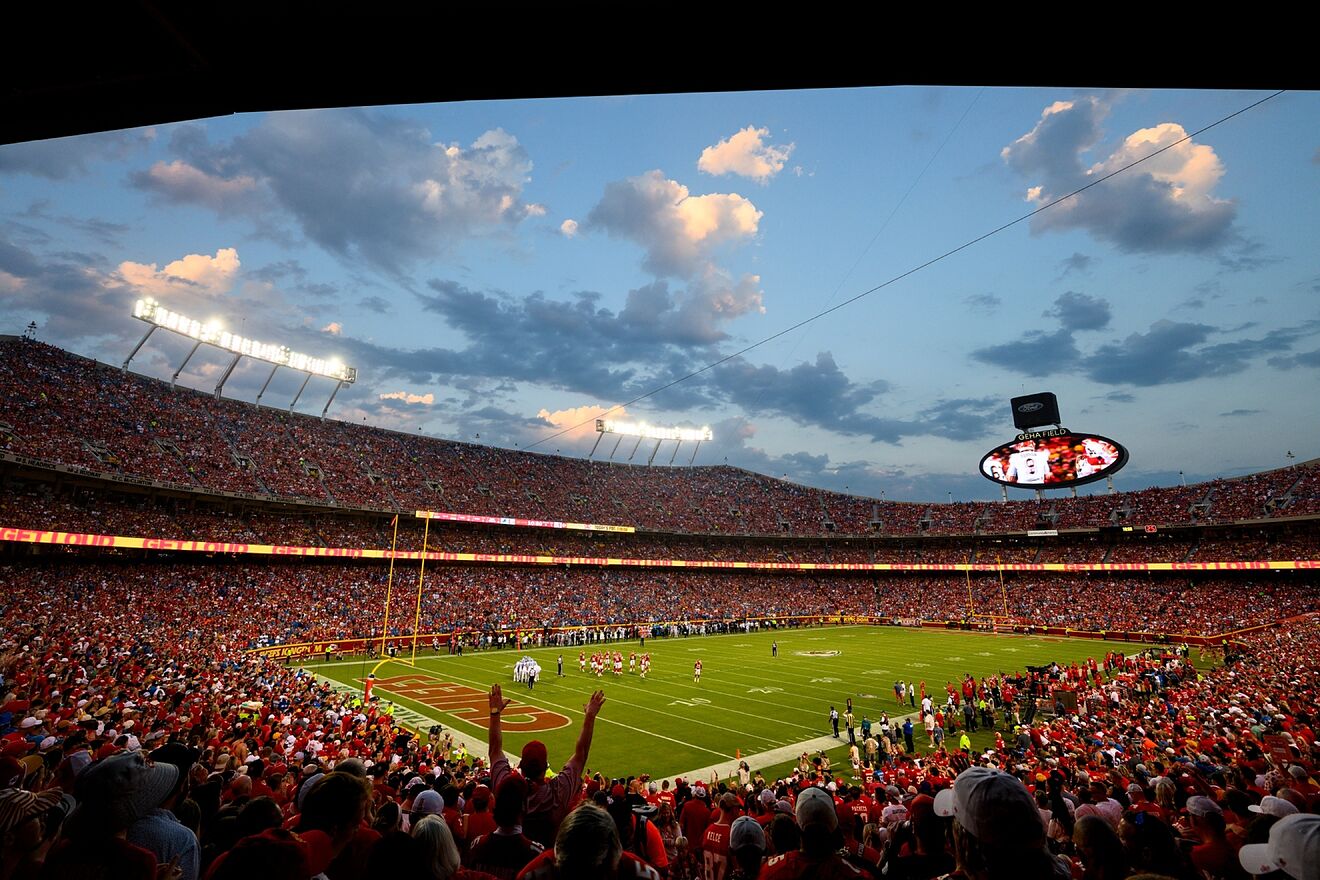
 The Kansas City Chiefs’ most ambitious plan in franchise history has hit a moment of truth.
A proposed $3 billion domed stadium — once sold as a once-in-a-generation opportunity for Kansas — is now hanging in the balance, caught in a tense standoff between the team and state lawmakers. And at the heart of the dispute isn’t location, design, or ambition.
It’s ownership.
Behind closed doors, the Chiefs have drawn a firm line: the stadium must be publicly owned — or the project simply doesn’t work.
Without public ownership, the financial structure collapses.
 The detail that changed everything
The stadium plan relies on sales tax revenue bonds (STAR bonds) — a funding mechanism that only works if the project qualifies as tax-exempt. That exemption disappears the moment the stadium is privately owned.
Chiefs attorney Korb Maxwell laid it out bluntly for lawmakers, according to the Kansas City Business Journal:
if the stadium remains in private hands, roughly $1.8 billion in STAR bond revenue would be subject to federal income tax — sending nearly 45% of the money straight to Washington.
That alone would blow a hole large enough to kill the entire project.
In response, the Chiefs are proposing the creation of a Kansas stadium authority — a public entity that would own the stadium and lease it back to the team. It’s a structure commonly used in major stadium developments across the country.
But Kansas lawmakers aren’t rushing to sign off.
 Lawmakers hesitate as the price tag grows
The scale of the proposal has raised eyebrows inside the statehouse.
Beyond the stadium itself, officials confirmed the plan includes nearly $1 billion more in STAR bonds for a new practice facility, team headquarters in Olathe, and surrounding mixed-use development. If approved, the total would exceed every STAR bond project in Kansas history — combined.
Lawmakers have voiced concerns about accountability, long-term risk, and what happens if the Chiefs ever decide to leave. Others question whether projected sales tax growth can truly be attributed to the stadium alone.
Those doubts have only intensified as the financial stakes become clearer.
 The Chiefs’ long-term pitch
Chiefs chairman Clark Hunt has defended the move away from Arrowhead, arguing the dome is about more than football. A modern, enclosed stadium would allow Kansas City to compete for Super Bowls, College Football Playoff games, NCAA Final Fours, and year-round events Arrowhead simply cannot host.
Team officials insist this is a multi-generation commitment, not a short-term play. Maxwell told lawmakers the bonds would likely be paid off within 15 to 20 years, well ahead of their 30-year maturity.
Still, public skepticism remains — fueled by decades of research showing mixed economic returns from publicly funded stadiums.
 A defining moment for Kansas
For now, the future of the Chiefs’ stadium vision rests entirely with Kansas lawmakers.
They must decide whether to:
-
extend the STAR bond program before it expires
-
accept public ownership of the most expensive project in state history
-
and shoulder the political risk that comes with it
If they say yes, Kansas could land one of the NFL’s most advanced venues.
If they say no, the entire proposal could quietly unravel.
One thing is already clear:
the Chiefs aren’t backing down — and this fight is only beginning.


