
After four years of silence, speculation and unfinished arguments in living rooms across Britain, the words fans never stopped hoping for are finally official:
Line of Duty is coming back.
The BBC has confirmed that the record-breaking police drama will return for a seventh series, with Adrian Dunbar, Vicky McClure and Martin Compston all reprising their iconic roles as Ted Hastings, Kate Fleming and Steve Arnott.
For millions of viewers still debating the finale of 2021, the announcement landed like a siren in the night.
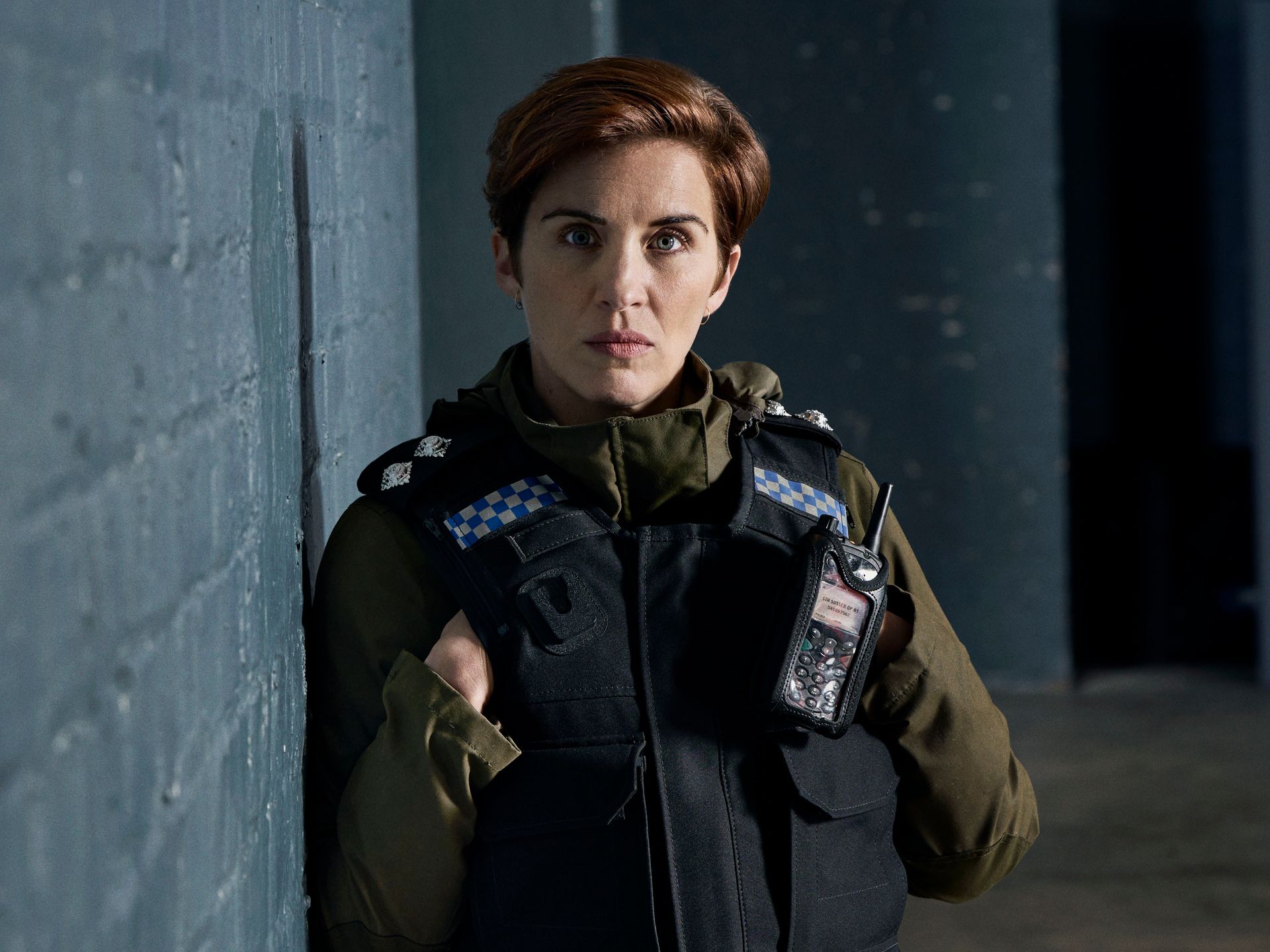 The Comeback No One Thought Would Happen
Series six ended with the long-running mystery of “H” finally laid to rest — and at the time, both the BBC and creator Jed Mercurio insisted that the story was over.
But behind the scenes, something clearly refused to stay buried.
Now, the BBC has confirmed a new six-part series, written once again by Mercurio, with filming set to begin in Belfast in spring. A broadcast date has not yet been announced — only adding to the tension.
Vicky McClure summed up the mood simply:
“It goes without saying I’m so excited Line of Duty is back.”
Adrian Dunbar was even more direct:
“What a joy it is to know that the Three Amigos will be back filming together next year.”
AC-12 Is Gone — But The War Isn’t
In a dramatic twist revealed alongside the announcement, series seven will open with AC-12 disbanded.
In its place stands the newly rebranded Inspectorate of Police Standards — a move that immediately raises uncomfortable questions about power, oversight and who is really in control.
Ted Hastings, Kate Fleming and Steve Arnott are still fighting corruption — but in a system that has become more hostile, more political and far more dangerous.
The BBC teased that the trio will be assigned “their most sensitive case so far.”
And then came the hook.
A New Villain — Or a Perfect Distraction?
At the centre of series seven is a brand-new character: Detective Inspector Dominic Gough, a charismatic officer celebrated for dismantling organised crime networks.
But Gough is accused of abusing his authority to act as a sexual predator — a case that threatens to tear open the institution from within.
Yet in true Line of Duty fashion, nothing is that simple.
The BBC hinted that Gough’s case may be a deliberate distraction, masking a far bigger threat still operating in the shadows — a chilling suggestion that corruption never truly ended… it only evolved.
Why This Return Matters
The last Line of Duty finale drew over 17 million viewers, making it one of the most watched TV events of the decade. Few dramas have inspired such obsessive theorising, week-long debates and cultural dominance.
 Mercurio acknowledged that bond directly:
“Everyone involved in Line of Duty feels enormous gratitude to the show’s fans.”
Then, with a trademark edge, he added:
“Corruption in this country is supposed to have come to an end while Line of Duty was off air — so I’ve been forced to use my imagination.”
Fans know exactly what that means.
A Job Of A Lifetime — And A Story Not Finished
Martin Compston described the show as “a job of a lifetime,” not just for its success — but for the friendships forged along the way.
“I can’t wait to pull the waistcoat on again and get the team back together.”
For viewers, that image alone was enough to reignite everything: the interviews, the lies, the interrogations that left suspects sweating under fluorescent lights.
 The Countdown Begins
Line of Duty first launched in 2012 and went on to define a generation of British drama, attracting powerhouse guest stars and setting a standard few shows have matched.
Now, with AC-12 dismantled, trust eroded and a new enemy emerging from within, the question isn’t whether corruption still exists.
It’s how deep it goes this time.
One thing is certain:
The Three Amigos are back.
And Britain is watching again.


