
 Morning traffic rolls past an empty 165-acre stretch of land in suburban Kansas.
To most drivers, it’s just another undeveloped site.
To city leaders — and to the Kansas City Chiefs — it may soon become the most important piece of real estate in the franchise’s future.
This week, Clark Hunt’s ambitious $300 million plan to build a new Chiefs headquarters and practice facility in Olathe enters a decisive phase — with a City Council vote that could bind local tax revenue for up to three decades.
 🏈 A future beyond Arrowhead — but not on game day
The proposal would relocate the Chiefs’ corporate offices and day-to-day football operations to a brand-new complex in Olathe, Kansas.
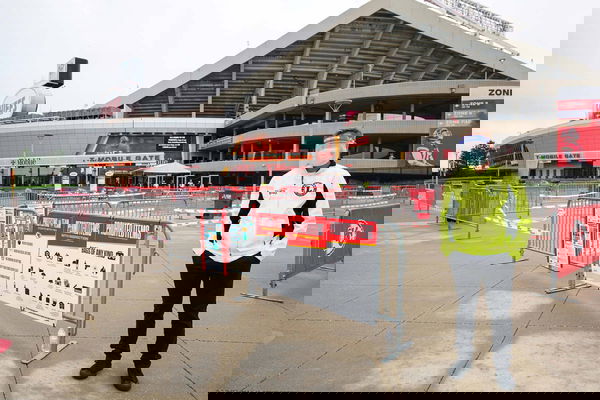
While the team would continue playing games at Arrowhead Stadium, the project represents the franchise’s most consequential off-field move in years.
City documents outline a modern development near College Boulevard and Ridgeview Road, featuring:
-
Chiefs corporate headquarters
-
Indoor and outdoor training facilities
-
Team operations and performance spaces
Earlier versions of the plan floated retail and restaurant components, but those have been stripped from the ordinance now before the council.
💰 How the deal would be paid for
To finance the project, Olathe is proposing the use of STAR Bonds — a Kansas economic development tool that allows future tax revenue to repay bonds issued upfront.
Under the plan, three taxes generated only within the project district would be pledged for bond repayment:
-
1% general sales tax
-
0.5% county sales tax share
-
A portion of the transient guest tax from on-site lodging
That money would not flow into the city’s general fund.
City officials insist essential services and protected funds would remain untouched — a key point stressed during the legally required public hearing already held.
The agreement also includes a hard deadline:
If bonds are not issued by December 31, 2030, or if construction does not begin, the authorization expires.
📊 Confidence vs caution
Chiefs representatives believe the development could generate enough economic activity to repay the bonds in around 15 years — half of the 30-year maximum term.
Team attorney Korb Maxwell has argued the region’s growth, combined with the Chiefs’ presence, would accelerate revenue generation.
But not everyone is convinced.
Kansas-based economist Michael Austin, founder of Knowledge and Decisions Economic Consulting, has warned that optimistic repayment projections often rely on overly broad STAR Bond districts.
Austin has raised concerns that the proposed zone extends beyond the immediate 165-acre site — potentially allowing unrelated commercial activity to be counted toward bond repayment.
 🏙️ A long bet for Olathe
For Olathe, the decision represents a 30-year economic commitment tied to one of the NFL’s most valuable franchises.
Across the league, cities have grown increasingly cautious about public financing connected to professional sports. Unlike past decades, long-term tax commitments now face heightened scrutiny — even when the team involved is successful and stable.
For the Chiefs, approval would modernize football operations without touching game-day traditions.
For the city, it’s a calculated wager on prestige, growth, and long-term return.
⏳ What happens next
If the City Council approves the measure, Olathe will move toward issuing bonds and finalizing development agreements.
If the vote is delayed or rejected, the Chiefs may be forced to revisit the proposal — or explore alternatives elsewhere in the region.
For now, the future of the Chiefs’ weekday home isn’t being decided on the field.
It’s being decided in a council chamber — with consequences that could shape Olathe’s economic landscape for decades to come.
Morning traffic rolls past an empty 165-acre stretch of land in suburban Kansas.
To most drivers, it’s just another undeveloped site.
To city leaders — and to the Kansas City Chiefs — it may soon become the most important piece of real estate in the franchise’s future.
This week, Clark Hunt’s ambitious $300 million plan to build a new Chiefs headquarters and practice facility in Olathe enters a decisive phase — with a City Council vote that could bind local tax revenue for up to three decades.
🏈 A future beyond Arrowhead — but not on game day
The proposal would relocate the Chiefs’ corporate offices and day-to-day football operations to a brand-new complex in Olathe, Kansas.
While the team would continue playing games at Arrowhead Stadium, the project represents the franchise’s most consequential off-field move in years.
City documents outline a modern development near College Boulevard and Ridgeview Road, featuring:
-
Chiefs corporate headquarters
-
Indoor and outdoor training facilities
-
Team operations and performance spaces
Earlier versions of the plan floated retail and restaurant components, but those have been stripped from the ordinance now before the council.
💰 How the deal would be paid for
To finance the project, Olathe is proposing the use of STAR Bonds — a Kansas economic development tool that allows future tax revenue to repay bonds issued upfront.
Under the plan, three taxes generated only within the project district would be pledged for bond repayment:
-
1% general sales tax
-
0.5% county sales tax share
-
A portion of the transient guest tax from on-site lodging
That money would not flow into the city’s general fund.
City officials insist essential services and protected funds would remain untouched — a key point stressed during the legally required public hearing already held.
The agreement also includes a hard deadline:
If bonds are not issued by December 31, 2030, or if construction does not begin, the authorization expires.
📊 Confidence vs caution
Chiefs representatives believe the development could generate enough economic activity to repay the bonds in around 15 years — half of the 30-year maximum term.
Team attorney Korb Maxwell has argued the region’s growth, combined with the Chiefs’ presence, would accelerate revenue generation.
But not everyone is convinced.
Kansas-based economist Michael Austin, founder of Knowledge and Decisions Economic Consulting, has warned that optimistic repayment projections often rely on overly broad STAR Bond districts.
Austin has raised concerns that the proposed zone extends beyond the immediate 165-acre site — potentially allowing unrelated commercial activity to be counted toward bond repayment.
🏙️ A long bet for Olathe
For Olathe, the decision represents a 30-year economic commitment tied to one of the NFL’s most valuable franchises.
Across the league, cities have grown increasingly cautious about public financing connected to professional sports. Unlike past decades, long-term tax commitments now face heightened scrutiny — even when the team involved is successful and stable.
For the Chiefs, approval would modernize football operations without touching game-day traditions.
For the city, it’s a calculated wager on prestige, growth, and long-term return.
⏳ What happens next
If the City Council approves the measure, Olathe will move toward issuing bonds and finalizing development agreements.
If the vote is delayed or rejected, the Chiefs may be forced to revisit the proposal — or explore alternatives elsewhere in the region.
For now, the future of the Chiefs’ weekday home isn’t being decided on the field.
It’s being decided in a council chamber — with consequences that could shape Olathe’s economic landscape for decades to come.
Morning traffic rolls past an empty 165-acre stretch of land in suburban Kansas.
To most drivers, it’s just another undeveloped site.
To city leaders — and to the Kansas City Chiefs — it may soon become the most important piece of real estate in the franchise’s future.
This week, Clark Hunt’s ambitious $300 million plan to build a new Chiefs headquarters and practice facility in Olathe enters a decisive phase — with a City Council vote that could bind local tax revenue for up to three decades.
🏈 A future beyond Arrowhead — but not on game day
The proposal would relocate the Chiefs’ corporate offices and day-to-day football operations to a brand-new complex in Olathe, Kansas.
While the team would continue playing games at Arrowhead Stadium, the project represents the franchise’s most consequential off-field move in years.
City documents outline a modern development near College Boulevard and Ridgeview Road, featuring:
-
Chiefs corporate headquarters
-
Indoor and outdoor training facilities
-
Team operations and performance spaces
Earlier versions of the plan floated retail and restaurant components, but those have been stripped from the ordinance now before the council.
💰 How the deal would be paid for
To finance the project, Olathe is proposing the use of STAR Bonds — a Kansas economic development tool that allows future tax revenue to repay bonds issued upfront.
Under the plan, three taxes generated only within the project district would be pledged for bond repayment:
-
1% general sales tax
-
0.5% county sales tax share
-
A portion of the transient guest tax from on-site lodging
That money would not flow into the city’s general fund.
City officials insist essential services and protected funds would remain untouched — a key point stressed during the legally required public hearing already held.
The agreement also includes a hard deadline:
If bonds are not issued by December 31, 2030, or if construction does not begin, the authorization expires.
📊 Confidence vs caution
Chiefs representatives believe the development could generate enough economic activity to repay the bonds in around 15 years — half of the 30-year maximum term.
Team attorney Korb Maxwell has argued the region’s growth, combined with the Chiefs’ presence, would accelerate revenue generation.
But not everyone is convinced.
Kansas-based economist Michael Austin, founder of Knowledge and Decisions Economic Consulting, has warned that optimistic repayment projections often rely on overly broad STAR Bond districts.
Austin has raised concerns that the proposed zone extends beyond the immediate 165-acre site — potentially allowing unrelated commercial activity to be counted toward bond repayment.
🏙️ A long bet for Olathe
For Olathe, the decision represents a 30-year economic commitment tied to one of the NFL’s most valuable franchises.
Across the league, cities have grown increasingly cautious about public financing connected to professional sports. Unlike past decades, long-term tax commitments now face heightened scrutiny — even when the team involved is successful and stable.
For the Chiefs, approval would modernize football operations without touching game-day traditions.
For the city, it’s a calculated wager on prestige, growth, and long-term return.
⏳ What happens next
If the City Council approves the measure, Olathe will move toward issuing bonds and finalizing development agreements.
If the vote is delayed or rejected, the Chiefs may be forced to revisit the proposal — or explore alternatives elsewhere in the region.
For now, the future of the Chiefs’ weekday home isn’t being decided on the field.
It’s being decided in a council chamber — with consequences that could shape Olathe’s economic landscape for decades to come.


