
David Letterman has spoken candidly about the end of The Late Show and the new ownership structure at CBS, offering a mix of reflection, frustration, and sharp commentary on how the television landscape has dramatically changed. 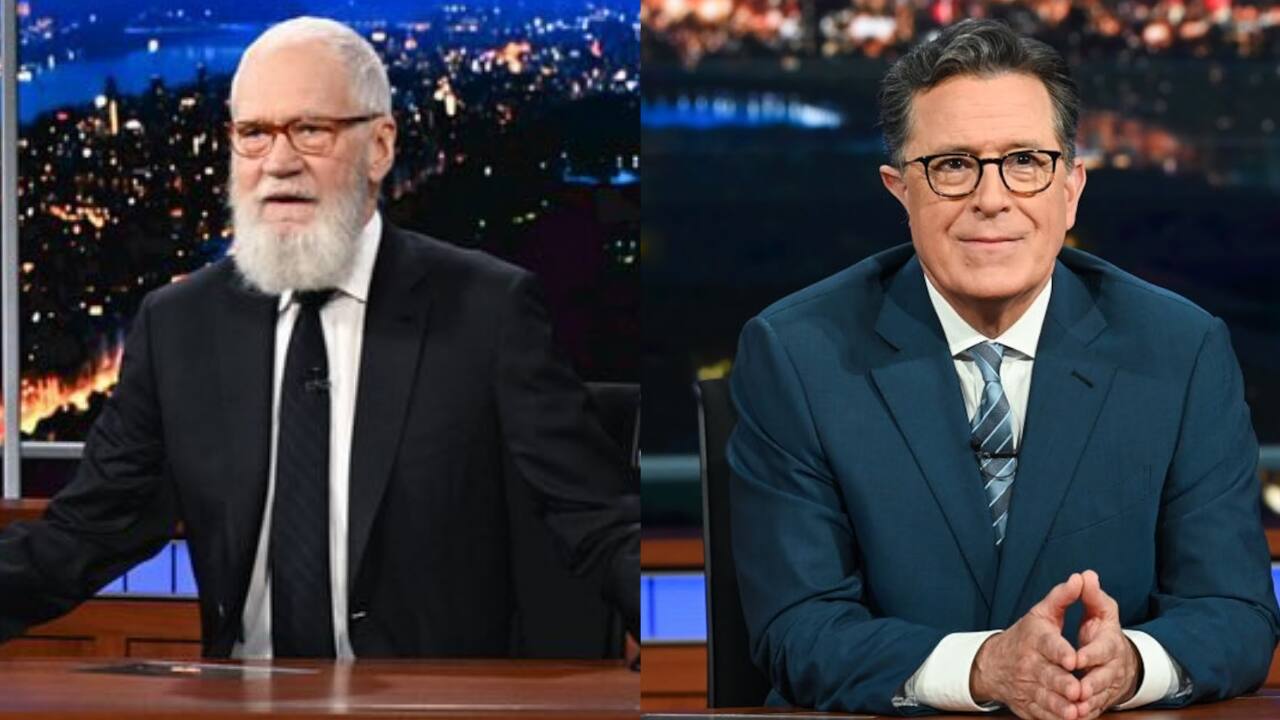
Speaking in a wide-ranging conversation, the legendary late-night host — who originally helped create and front The Late Show — admitted he no longer feels any real sense of ownership over the program, but did not hold back in his criticism of the network’s direction.
When asked about his reaction upon learning the show was being canceled, Letterman said: “Disbelief. Then it seemed like a botched holdup.”
He went on to reference CBS’s parent company Paramount Global and its new ownership under the Ellison family, jokingly describing the situation in a deliberately exaggerated way while questioning the corporate changes behind the scenes. :max_bytes(150000):strip_icc()/stephen-colbert-david-letterman-late-show-072625-d656ace7949241e38625bb7b9915252b.jpg)
Reflecting on the shift, Letterman compared returning to his former workplace to “driving by your old neighborhood and realizing that where you used to live, they’re putting up an adult bookstore,” highlighting how disconnected he now feels from the show’s current era.
When asked if he still felt ownership of The Late Show, Letterman admitted that time had distanced him from it completely.
“Yes. Time has separated me from the genealogy of the show,” he said, though he added he would still be willing to speak out if there was any perceived injustice toward the program’s current direction or host Stephen Colbert. 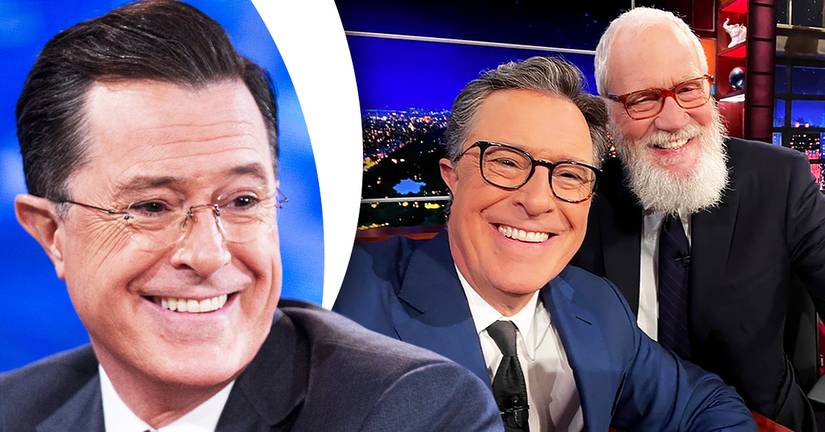
On CBS’s explanation that the cancellation was driven by financial reasons, Letterman expressed skepticism, noting that he is not privy to the company’s internal figures and pointing to the broader decline of traditional television in the streaming era.
He also questioned the human impact of the decision, particularly for staff and viewers who relied on the late-night format as a nightly ritual.
Letterman further commented on CBS’s evolving business model, including its decision to lease the time slot to Byron Allen’s Comics Unleashed, comparing modern television operations to rented storage units, suggesting that ownership and responsibility in media are changing rapidly.
Despite his criticism, he acknowledged the reality of industry transformation, noting that television is no longer the same financial powerhouse it once was, and that change — both good and bad — is inevitable.
When asked about Byron Allen, Letterman recalled knowing him from years earlier and admitted he had no idea he would become a billionaire, adding humorously that Allen’s success far exceeded expectations.
“I periodically talk to him, and neither he nor I understand how he became a billionaire,” he said.
He also touched on his former rivalry with Jay Leno and expressed openness to having Leno appear on his Netflix series My Next Guest Needs No Introduction, calling the idea “a good one” and acknowledging Leno’s long-standing influence in comedy.
Despite the heavy themes, Letterman closed on a reflective note, describing a haunting memory from his final days at CBS — seeing the remnants of his set discarded as he left the building, a moment he said symbolized the end of an era.
Still, he suggested late-night television may endure in some form, calling it “an easy, soothing format” rooted in “humans talking to humans.”
Source: https://www.dailymail.co.uk/


