
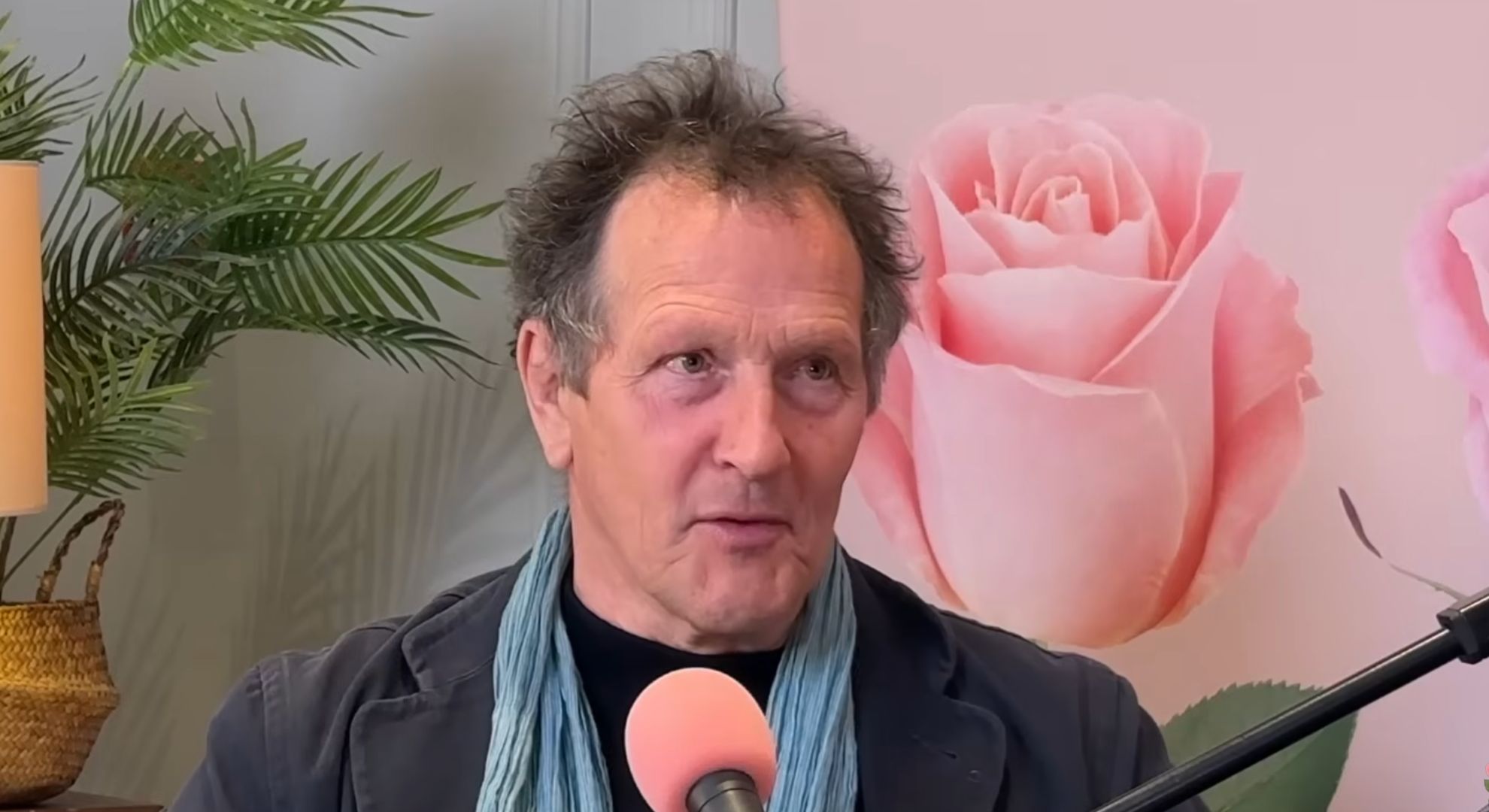
The gardening world has lost one of its quiet giants — and Monty Don’s simple but deeply moving words have captured the sadness felt by so many.
David JC Austin, the renowned rose grower and chairman of David Austin Roses, has died aged 67 after being diagnosed with Creutzfeldt-Jakob disease, a rare and incurable neurological condition.
For generations of gardeners, the Austin name has been inseparable from roses of extraordinary beauty — flowers carefully bred to bring colour, fragrance and romance into gardens around the world.
But behind that extraordinary horticultural legacy was a man remembered by those closest to him not simply as a businessman or one of the most influential figures in modern rose growing.
He was, first and foremost, a gardener.
And to his children, he was simply Dad.
Following news of David’s death, Gardeners’ World presenter Monty Don shared a heartfelt tribute that seemed to perfectly express the bittersweet truth of his passing: a life has ended far too soon, but the beauty created during that life will continue blooming for generations.
Monty said he was “so sorry” to hear the news before sending his condolences to David’s family.
Then came the words that perhaps best captured the scale of what David leaves behind.
“What legacy he leaves – millions of exquisite roses that will live on for so many, enriching all our lives.”
It is difficult to imagine a more fitting farewell to a man whose life was so deeply connected to the natural world.
Because long after the tributes fade, David’s legacy will still be alive.
It will be growing over garden walls.
It will be flowering beside cottage doors.
It will be opening beneath the summer sun.
And somewhere, perhaps without even knowing the full story of the man behind them, people will stop to admire roses that exist because of a family vision David devoted much of his life to protecting.
A devastating diagnosis behind a deeply private battle

David’s death followed his diagnosis with Creutzfeldt-Jakob disease, commonly known as CJD.
The condition is an extremely rare and serious neurological disorder affecting the brain. It is associated with abnormal proteins known as prions and can lead to rapidly progressive neurological decline.
The illness is sometimes compared in public discussion with conditions linked to so-called “mad cow disease,” but CJD has different forms and causes, and most cases occur sporadically rather than being linked to food exposure.
For David and those who loved him, however, the medical terminology could never fully describe the human reality of what they were facing.
His family watched a beloved father confront an incurable illness.
Yet in their emotional tribute following his death, his children Richard, James and Olivia chose to remember not only the difficulty of his final chapter, but the character with which he lived his entire life.
“First and foremost, dad was a gardener,” they said.
Those few words reveal so much.
Despite the international reputation attached to the Austin family name, despite the business success and despite the countless roses connected to his life’s work, David apparently never lost sight of what was at the heart of everything.
The garden.
The plants.
The people.
And the responsibility of carrying forward something begun by the generation before him.
His children said their father carried their grandfather’s vision with “humility and an unwavering sense of responsibility”.
They remembered a man who consistently placed the roses, the family business and the people around him before himself.
That description paints a very different picture from the image often associated with the leader of an internationally recognised company.
This was not a legacy built around celebrity.
It was built quietly.
Season after season.
Rose after rose.
The man behind an extraordinary family legacy
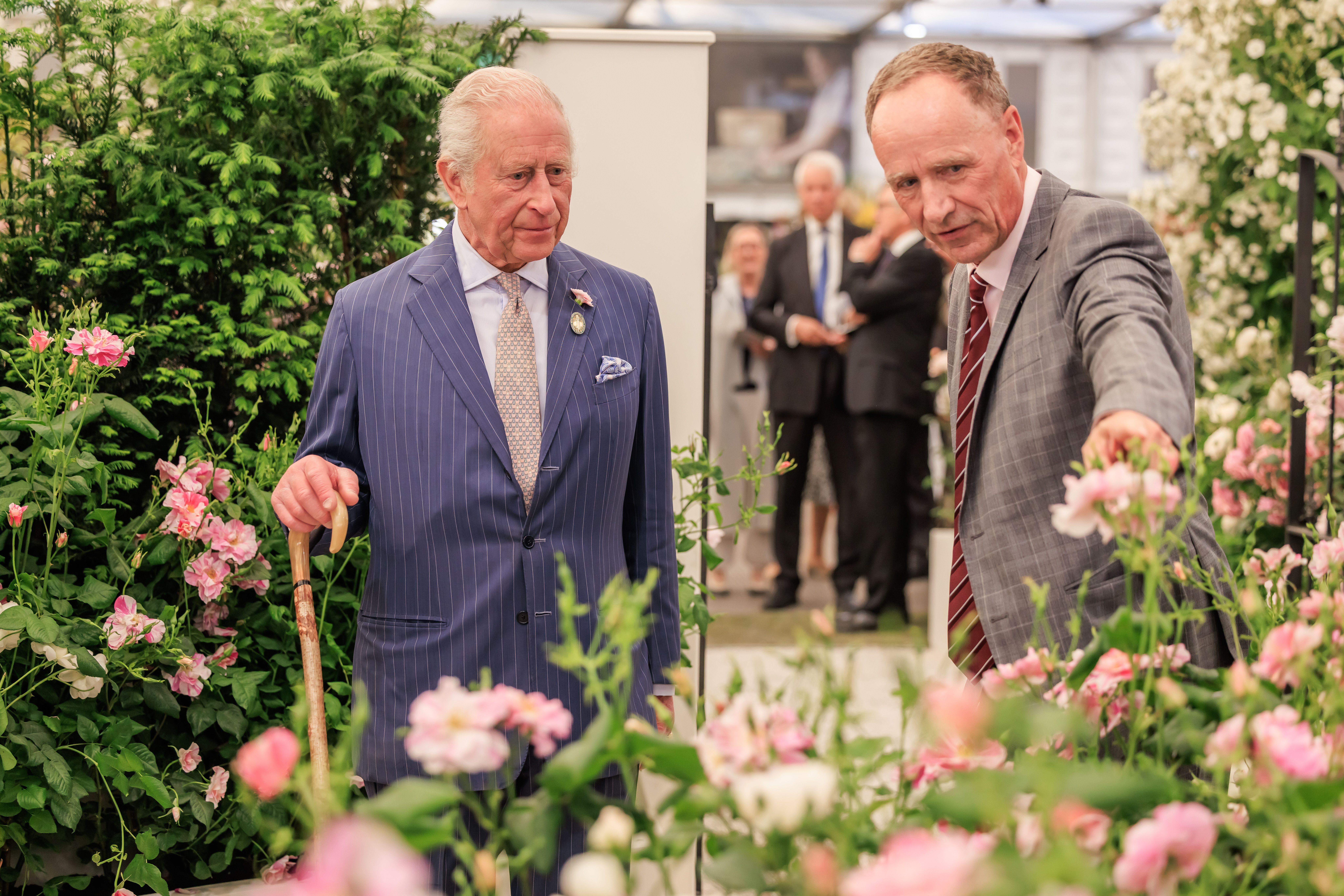
David JC Austin inherited more than a famous surname.
He inherited responsibility for one of the most distinctive horticultural legacies in Britain.
His father, legendary rose breeder David C. H. Austin, transformed modern rose breeding by combining the beauty and fragrance associated with traditional garden roses with qualities found in more modern varieties.
The result became known around the world.
But creating a legacy and preserving one are two very different challenges.
David JC Austin helped carry that vision into a new generation.
Under his stewardship, the family’s work continued reaching gardeners far beyond its Shropshire roots.
Yet perhaps the most touching part of his family’s tribute was how little emphasis they placed on titles or achievements.
Instead, they spoke about character.
They described him as kind.
Modest.
And possessing a playful spirit.
These are not the words of a corporate biography.
They are the words of children remembering their father.
That distinction matters.
Because behind every public tribute to a respected figure is a private family experiencing something far more personal.
The gardening community has lost an important figure.
His colleagues have lost someone they respected.
But Richard, James and Olivia have lost their dad.
“Above all, he was our dad, and words cannot express how much we will miss him,” they said.
“We couldn’t be more proud of him.”
Perhaps no professional achievement could ever mean more than those final words.
Monty Don’s tribute captures something deeply powerful
Monty Don has spent decades encouraging people to understand gardens as something more meaningful than perfectly arranged plants.
Gardens hold memories.
They mark seasons.
They change as families change.
They can remind us of people who are no longer there.
That is why his tribute to David feels particularly poignant.
Instead of focusing only on the sadness of death, Monty looked toward what remains.
Millions of roses.
Living things.
Growing things.
Flowers that will return year after year.
There is something profoundly moving about that idea.
Many people leave behind photographs, possessions or stories.
A rose grower leaves behind something that can literally bloom.
Someone may plant one of those roses decades from now.
They may water it without knowing David’s story.
They may watch the first buds appear in spring.
They may cut a flower for someone they love.
They may sit beside it during a summer evening.
And through that simple act, a small piece of the work David helped nurture continues.
That is an extraordinary kind of legacy.
A familiar connection to Gardeners’ World
David and the world surrounding David Austin Roses had a long-standing connection with Gardeners’ World, with expertise from the nursery becoming familiar to gardening audiences through television segments and events associated with the much-loved gardening community.
For viewers, roses have always held a special place in British gardening culture.
Few flowers carry quite the same emotional weight.
Roses are planted for weddings.
For anniversaries.
For new homes.
For births.
And often, poignantly, in memory of someone who has died.
Perhaps that is why the death of a man whose life was devoted to roses feels particularly symbolic.
His work was centred on flowers people so often use to express emotions when words are not enough.
Love.
Gratitude.
Memory.
Loss.
Now those same flowers have become part of the way people are remembering him.
A family’s courage during an unimaginably difficult time
David reportedly died at his home in Shropshire, the county so closely connected with his family’s remarkable horticultural story.
His children’s statement suggested that even while confronting his illness, he retained the qualities that had defined him throughout his life.
“He faced his illness with the same courage and dignity that he brought to life,” they said.
It is a powerful sentence.
Not because it attempts to make illness inspirational, but because it tells us something about how his family saw him during an incredibly difficult period.
The man they knew remained, in their eyes, the same person.
A father they admired.
A gardener at heart.
A custodian of a family dream.
And someone whose modesty appears to have remained central to his character despite the extraordinary reputation of the name he carried.
More than flowers — a living inheritance

There is an irony in trying to measure the legacy of someone whose work involved nature.
Businesses can be counted in numbers.
Careers can be reduced to awards.
Achievements can be listed on paper.
But how do you measure millions of moments of beauty?
How do you count every person who stopped beside a rose and admired its fragrance?
Every garden transformed by a climbing rose covering an old wall?
Every bouquet cut for a kitchen table?
Every flower planted in memory of someone loved?
That is the scale of the legacy Monty Don was describing.
“Millions of exquisite roses.”
Not simply products.
Living memories scattered across gardens around the world.
That thought makes David’s death especially poignant.
The man is gone.
But each spring, something connected to his work returns.
Tributes reflect the respect he inspired
Following the announcement of David’s death, messages of sadness and condolence came from across the gardening community.
Those who had encountered the Austin family’s work, whether professionally or simply through a love of roses, reflected on the enormous contribution associated with his life.
The reaction demonstrated something important.
David’s influence was not confined to one nursery in Shropshire.
It reached television audiences.
Professional horticulturists.
Garden designers.
Collectors.
And ordinary people who simply wanted a beautiful rose outside their window.
Yet amid all those tributes, it is the words of his family and Monty Don that remain the most powerful.
His children remembered the man.
Monty remembered the legacy.
Together, those two perspectives tell the story of a life far more completely than any list of achievements ever could.
The roses will bloom again
There is no way to soften the sadness of losing someone at 67, particularly after a devastating and incurable illness.
For David’s family, the grief will be deeply personal.
No public tribute can fill the empty chair at a family gathering.
No professional legacy can replace a father.
But there is something quietly comforting in knowing that David JC Austin devoted his life to creating and preserving beauty that does not disappear with him.
The seasons will continue turning.
Winter will give way to spring.
Bare branches will produce new growth.
Buds will form.
And eventually, roses will open again.
Perhaps that is the most fitting image with which to remember him.
Not simply as the chairman of a famous rose company.
Not merely as the son of a legendary breeder.
But as his children described him:
A gardener.
A kind and modest man.
A father.
And someone who helped ensure that millions of extraordinary roses would continue bringing beauty into people’s lives long after his own time among them had ended.
Monty Don’s farewell may have been brief, but its meaning could hardly have been greater.
“What legacy he leaves.”
And in gardens across Britain and far beyond, that legacy will continue to bloom.


